wHO wE aRE
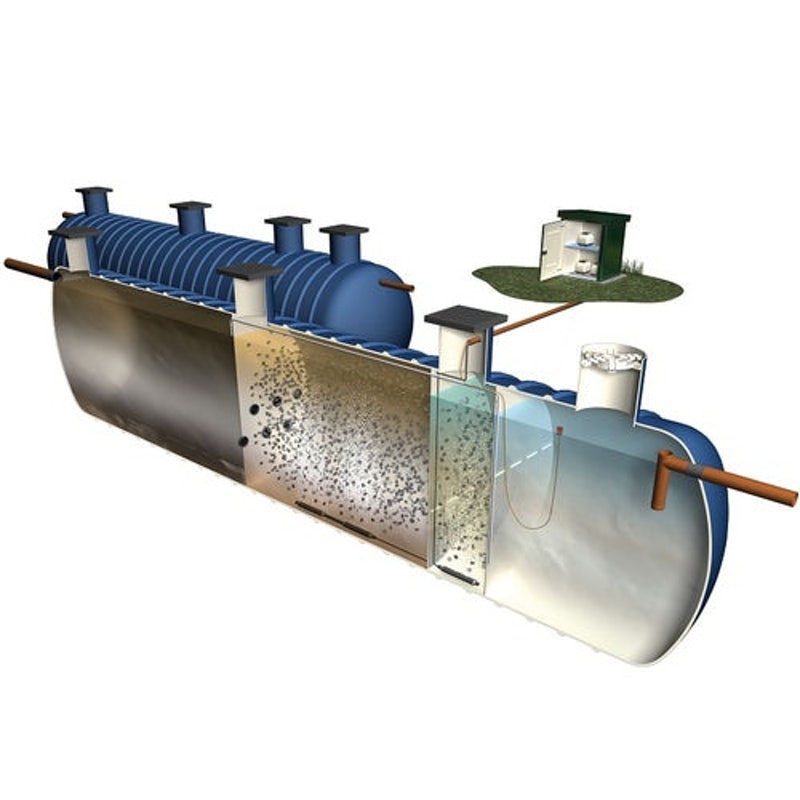
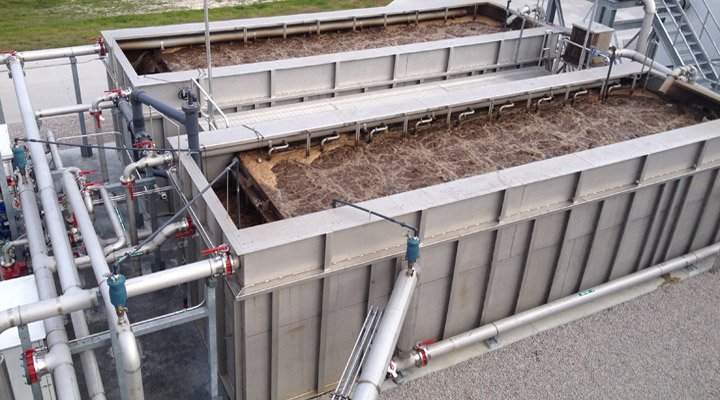
DisEnergy Water’s proposition MBBR water framework to treat squander water from human waste. The MBBR framework comprises of an air circulation tank (like an initiated slime tank) with uncommon plastic transporters that give a surface where a biofilm (microbes) can develop. The transporters will be blended in the tank by the air circulation framework and consequently will have great contact between the substrate in the influent wastewater and the biomass on the transporters.
MBBR innovation offer various advantages, for example, powerful biofilm, adaptable reactor configuration, simple redesign of existing plants, simple to work and control, no ooze return required in many applications, low burden on molecule detachment stage.
The innovation uses the upsides of both actuated slime and other biofilm frameworks (for example biofilters, biorotors and so forth) without being limited by their drawbacks. The transporters are intended to give an enormous ensured surface region for the biofilm to develop and ideal conditions for the microbes culture when the transporters are suspended in wate

Layer Bioreactor (MBR) is a cycle that consolidates a film ultra/miniature filtration process and initiated muck process. (The MBR cycle is utilized instead of the optional sedimentation tank and sand channel utilized for tertiary treatment in the customary initiated muck process.) DisEnergy Membrane Sewage Treatment Plant gives elements, for example, space saving, simple activity and excellent treated water which is reusable. Furthermore, progressed treatment of nitrogen and phosphorus evacuation can be accomplished by anoxic/high-impact treatment.
Sequencing Batch Reactors (SBR) or consecutive clump reactors are a kind of actuated slop process for the treatment of wastewater. SBR reactors treat wastewater, for example, sewage or yield from anaerobic digesters or mechanical organic treatment offices in clumps. Oxygen is risen through the combination of wastewater and actuated slop to diminish the natural matter (estimated as biochemical oxygen interest (BOD) and substance oxygen interest (COD)). The treated gushing might be reasonable for release to surface waters or potentially for use ashore.